 DataSheet
Award Winning Solutions
Xena has won multiple global awards for price/performance and technical innovation. Learn more.
Technical Expertise
Copyright © 2009-2026 Teledyne LeCroy Xena ApS, Denmark
When preparing, engineering candidates frequently search for structured frameworks, often looking for resources like style applied to ML, GitHub repositories, and downloadable PDFs. This comprehensive guide breaks down how to navigate the ML system design interview, maps out core engineering frameworks, and points you toward the best open-source resources available. The Core Framework for ML System Design
Focus on classification, image processing, and latency.
: A highly structured repo outlining the exact step-by-step approach to solving ML design questions, complete with case studies. machine learning system design interview alex xu pdf github
While many engineers look for comprehensive PDF books or summaries online, it is essential to support creators and respect copyright by utilizing official distribution channels. Alex Xu's official platform, , offers structured, highly visual courses and materials detailing modern system architectures. Using authorized study groups, community-contributed cheat sheets, and official digital editions ensures you get accurate, up-to-date information free from formatting errors or outdated engineering paradigms. 5. Final Interview Day Checklists
Before diving into case studies, internalize the 7‑step framework. Practice applying it to simple problems until it becomes second nature. : A highly structured repo outlining the exact
: A massive compilation of resources covering ML system design engineering, infrastructure, and coding questions. Common Interview Case Studies
Implementing Feast or Hopsworks to manage the offline/online feature consistency. Using authorized study groups
Compare CPU vs. GPU serving. Discuss model quantization and distillation to reduce latency.
: Choose between online inference (low latency, high compute requirement) and offline batch inference (pre-computed predictions stored in a fast NoSQL database like Cassandra or Redis).
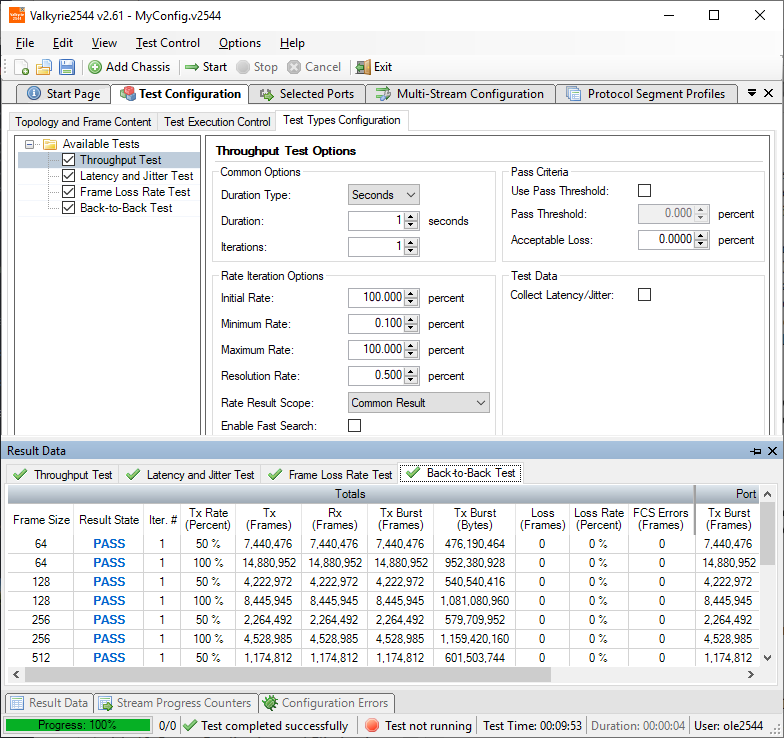
– Throughput
– Latency (FIFO, and LILO) for store-and-forward and cut-through DUTs
– Frame loss
– Back-to-back frames
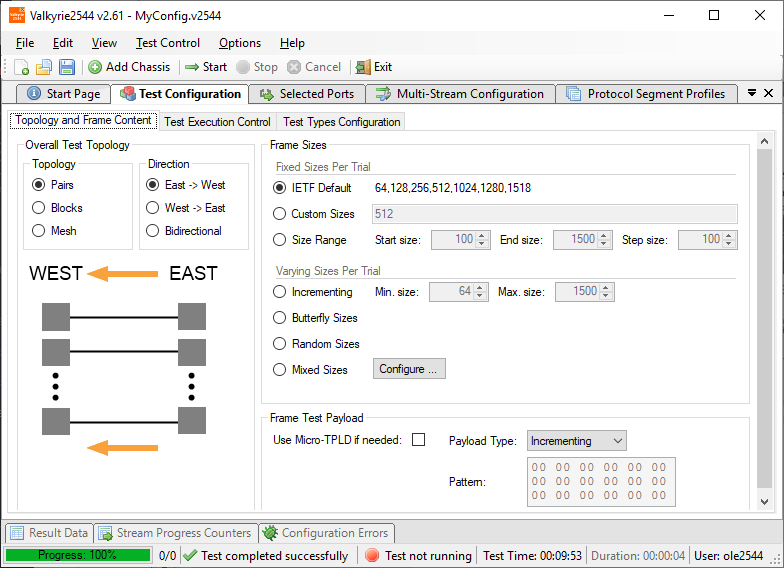
– Ethernet,VLAN, Q-in-Q, MPLS, IPv4 and IPv6 frame support
– Automatic learning packets
– Custom field setting for any protocol
– Forwarding, including throughput and forwarding rates with a 16ns resolution
– Configurable maximum test rates
– L2 learning
– Repeat count
– Frame sizes same as stream
– Per test, per trial and per frame size learning
– Up to 5 chassis, 72 ports
– Full mesh, one-to-one, one-to-many, many-to-many
– Multi-port pair definitions, East/West
– Uni-directional or bi-directional testing
– Testing between any combination of port-speeds
Reports are available in PDF and .xml format.
All Xena testers and all port speeds.
Test configuration files can be executed via CLI. Linux also supported via Mono framework.
Xena has won multiple global awards for price/performance and technical innovation. Learn more.
Copyright © 2009-2026 Teledyne LeCroy Xena ApS, Denmark