
asm health checker found 1 new failures
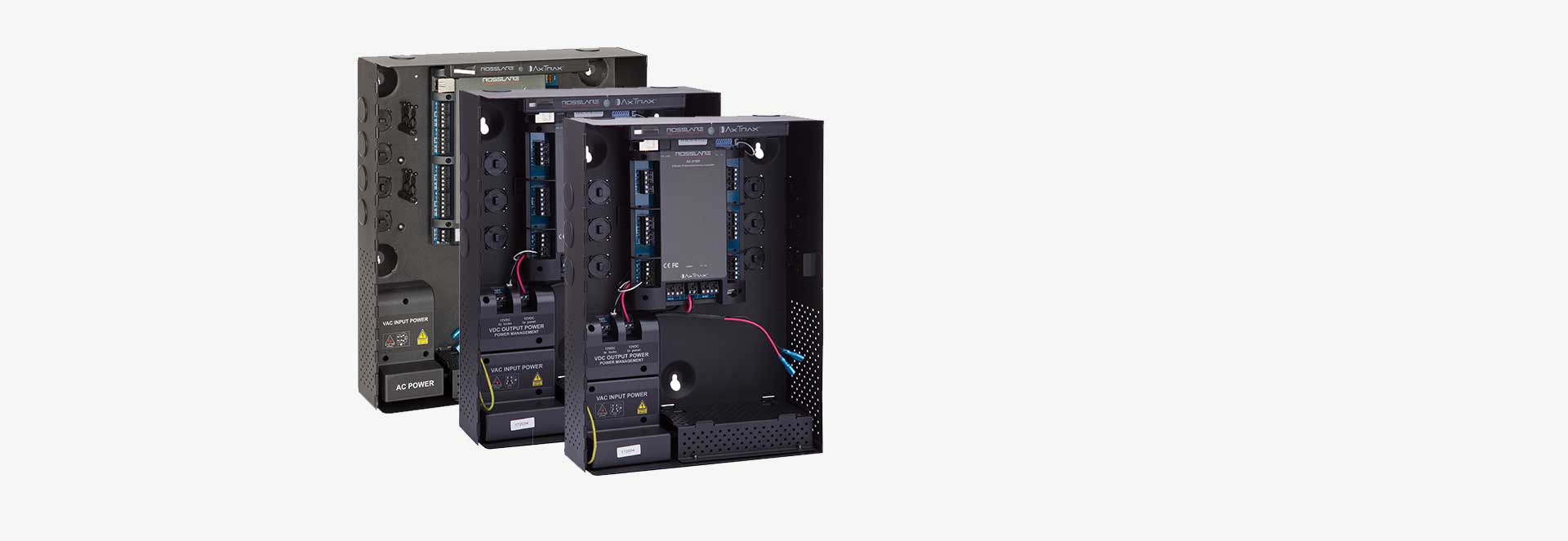
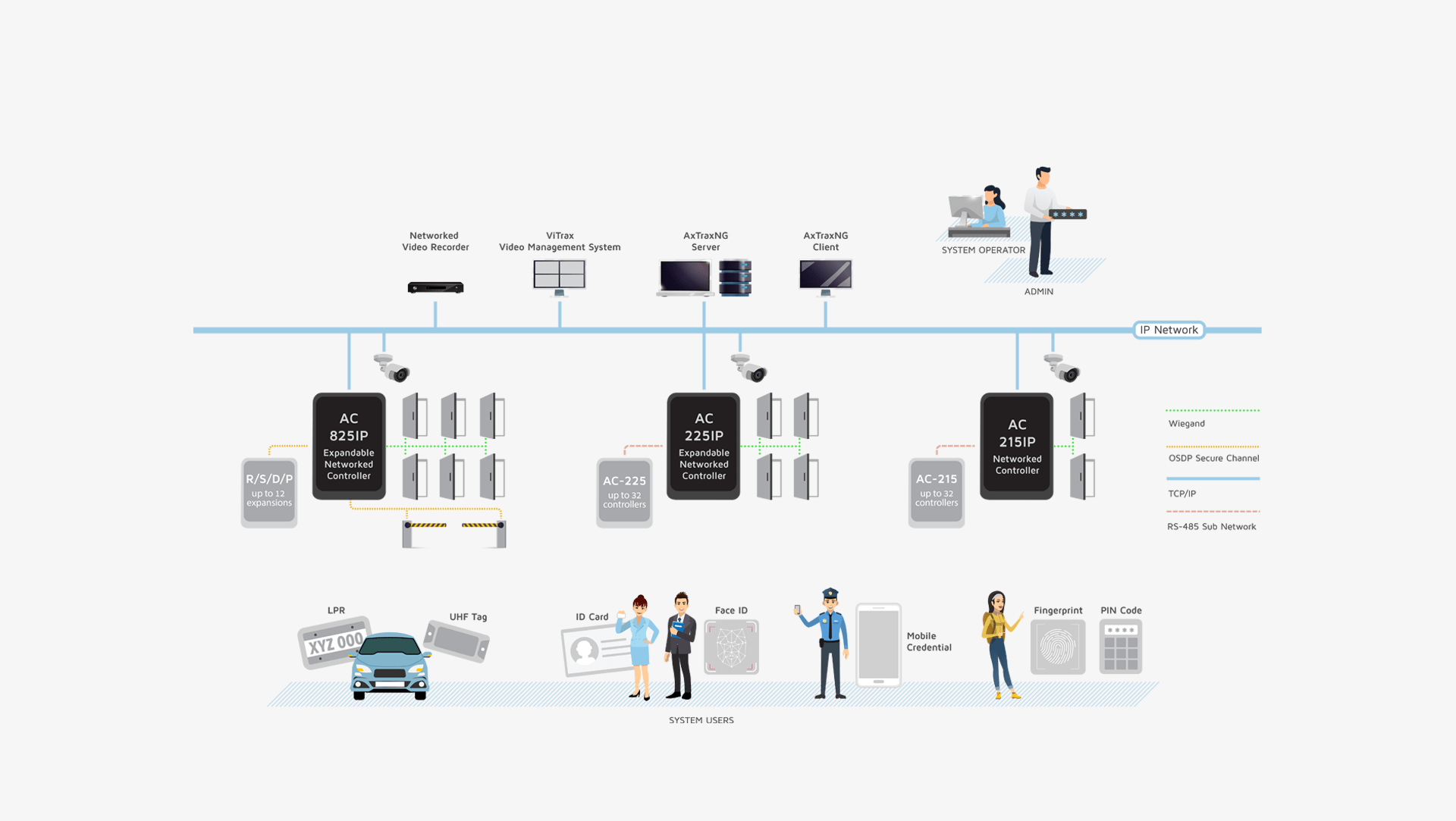
AxTraxNG is a complete server-client software management that enables setting physical access control policy across organizations that is available in multiple languages and date formats. The server manages thousands of networked access control panels and system users. The user-friendly interface is intuitive, reliable and rich in
functionality. With Rosslare’s SDK tool AxTraxNG also leverages easy integration and deployment of various
applications in security, safety, time and attendance and more. AxTraxNG allows the control and monitoring of
every aspect of site access.












Loss of access to a voting file or a failure to refresh voting files on a specific diskgroup.
The alert is a critical notification from Oracle's Automatic Storage Management (ASM) health monitoring system . It typically appears in the ASM alert logs or via automated email notifications when a storage-related incident is detected. Failure Overview
To resolve the issue, follow these step-by-step instructions:
Process Crashes: Vital daemons like 'bd' or 'asm_config_server' failing to respond.
Look for the "Health Checker" section to see the red "Fail" status.
This command performs an in-depth analysis and actively attempts to repair any found corruption. Real-world examples confirm that executing this command effectively resolved the issue and cleared the alert.
: The diskgroup cannot maintain a read quorum, often leading to an automatic dismount. How to Diagnose and Fix To resolve the failure, follow these diagnostic steps:
Log into your ASM instance via SQL*Plus as SYSASM to assess the cluster-wide operational health of your storage:
Search for the timestamp of the alert. You will often see a corresponding ORA- error code (like ORA-15078 or ORA-15032 ) that provides the exact technical reason for the health check failure. 4. How to Resolve the Failure Scenario A: Disk Connectivity Issues
chown grid:asmadmin /dev/sdg chmod 660 /dev/sdg -- If persistent across reboot, fix udev rules: vi /etc/udev/rules.d/99-oracle-asm.rules -- Add: KERNEL=="sdg", OWNER="grid", GROUP="asmadmin", MODE="0660"
: A physical disk or a storage path (LUN) has become inaccessible. Forced Dismounts